Inside LAND – A Creative Journey Begins (Part 1 of 3)
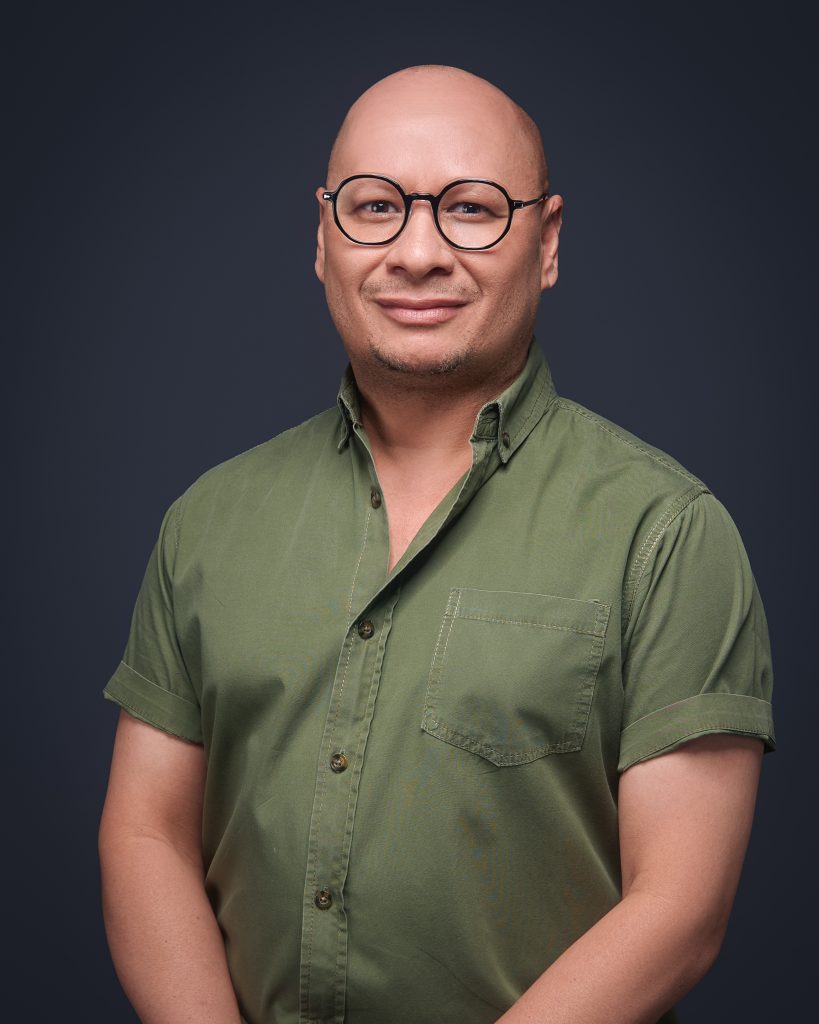
Haymich Olivier, Choreographer
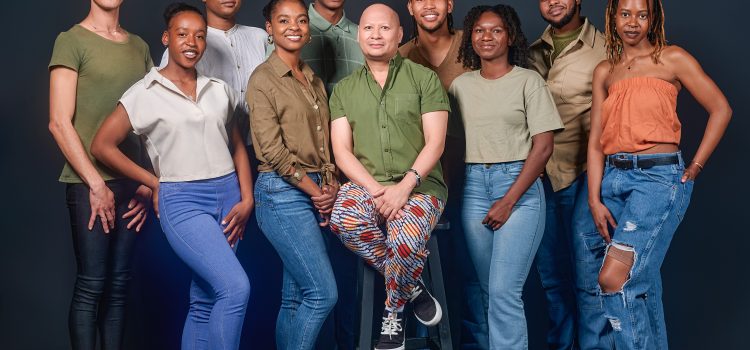
LAND – A dance work reclaiming space, memory, and the right to stay.
I’ve been thinking a lot about why I came back to LAND, a piece I first created in 2017 for the Windhoek International Dance Festival. There are several thoughts that brought me to this moment, but the biggest one has to do with the community I serve. Dancers.
Most of the dancers I work with are struggling to move forward with their lives. Not because they lack the drive or talent, but because of how high rent is. For many of them, most, if not all, of their salary goes straight to paying rent. That’s the reality. And when your basic needs are under pressure, it’s very difficult to create, to dream, or to simply breathe. This reality has pushed me to relook at LAND, to make it more than just a performance, but a way of confronting some of the very real tensions we live with every day.
Land is an issue we’ve carried for generations. It’s an age-old conversation with many layers. But right now, across the world, it feels like everything is circling back to this question of land and who controls it. We’re watching two major wars unfold in real time, and if you strip away the politics, the rhetoric, the headlines, at the core of it is still land. Ownership. Displacement. Power.
In Namibia, we’re still fighting to recover from an economic recession. The standard of living has dropped for many people. Rent is up. Fuel is up. And what we’re seeing is not just financial struggle, but a growing sense of disconnection. Land issues are deeply ingrained in the segregated history of this country. They reflect so much about how we value land, labour, and people. That’s why this story feels so urgent.
The research process for this version of LAND has taken me in three directions. First, there’s the work we do in the studio, embodied research. Moving, listening to the body, exploring stories through physicality. This also includes field trips, going into communities, seeing how people live, how they adapt, and how they build spaces with what little they have. We also visited the National Art Gallery to engage with what other artists and researchers are doing. That space always grounds me. It reminds me that I’m not working in isolation.
Second, there’s the archival work. Documentation, texts, recordings, past materials. Revisiting old conversations around land, displacement, protest, and survival. Trying to connect what was to what is.
And then there’s the movement itself, the choreography. The first thing I focus on is developing a dance language that all bodies contribute to. This isn’t about creating from the top down, but from within. I draw a lot from somatic practices. I want to create an articulate body, a body that moves with momentum and mobility. I also work from each dancer’s background, their training, yes, but also their sense of how to support each other physically. This work is about being grounded. Moving into space with awareness, with stamina, with strength.

In the studio, we’re exploring themes of joy, grief, boundness, and protest. We’re asking: how do these ideas live in the body? How do they move? How do they weigh us down or lift us up? One of the images we’ve been playing with is dancers entangled in ropes. That image came from a simple exercise, but it opened up so much. The ropes became a metaphor for pressure, for systems, for the invisible forces we’re constantly navigating.
This process is not just about making a piece. It’s also about understanding the value of art in representation, and in unearthing history. I’ve been thinking a lot about how the arts are experienced by the community, and how we can use that experience to rally support for theatre. Because this isn’t just about what happens on stage. It’s about what happens after, when people carry the story back into their own lives.
We need to be able to see ourselves in the spaces we fight for. LAND is both a reminder and an offering.
Thanks for walking this part of the journey with me. In Part 2, we will share more about how the dancers are shaping the narrative and how the world of the performance is coming to life, from the scenography to the sound, and everything in between.
Until then, stay grounded…
Haymich