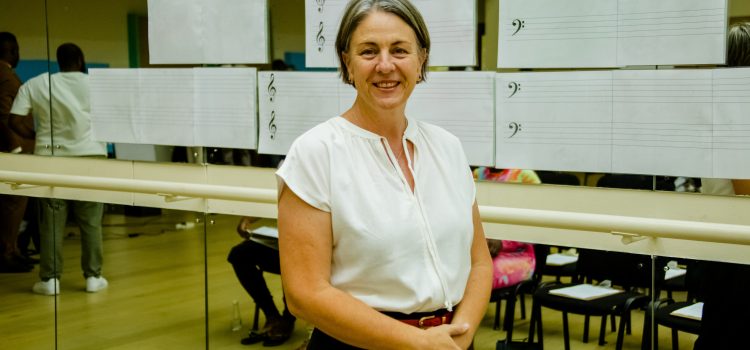
Jolanda Amoraal’s Take on Namibia’s Biggest Choral Showdown (BVCC)
As excitement builds for the 2026 Blended Voices Choral Competition (BVCC) on 25 April, we spoke with Jolanda Amoraal, one of this year’s judges. Nine choirs from across Namibia will showcase their exceptional artistry, vying for the grand prize of N$100 000 and a coveted trophy. Here’s what Jolanda had to share about the competition and Namibian choral music.
Please tell us about your background in the Blended Voices Choral Competition project.
JA: This is the second year that I will have the privilege to serve as an adjudicator for this truly, unique Blended Voices Choral Competition. I feel honoured to be a part of this experienced and talented selection committee where our different cultures and upbringing merges to a diverse team evaluating the talent of Namibian traditional Choral Singing.
What makes a strong choral composition stand out?
JA: If the composer has the ability to capture the soundscape and rhythm of its people in a time limited work, it is truly a work of art. The trademark of Namibian music is the complex polyrhythms and the beauty of simplistic melodies. In no sense easy, but so pleasing on the ear.
Why is music reading important for choir members, not just conductors?
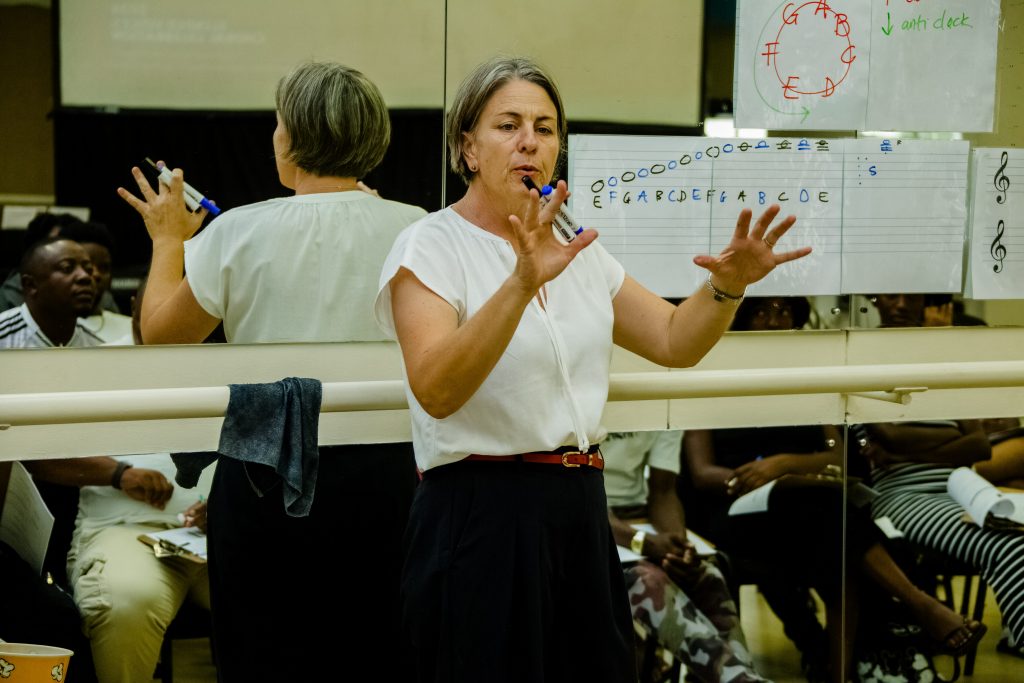
JA: I have realised that choristers without the ability to sight-read, have the wonderful skill of memorising by ear. Maybe with the basic understanding of music notation, choirs can reach the end goal within a shorter time span. The pitch indicates the position of a note, therefore guiding the chorister to recall the vocal cords placement. The text and character terminology (often in Italian) will form an integral part of their musicality.
How can choirs enhance the overall quality of Namibian theatre productions?
JA: To be part of a choir calls for discipline and commitment, an attribute that benefits any performing artist. Planning, research and time management is the key to a well-rehearsed and successful production.
You were recently part of a team of experts who conducted a three-day intensive workshop (18–20 February, NTN) focused on technical, theoretical, and professional practices for choirs. What was your experience of the workshop, what key observations did you make, and what gaps do you believe require further intervention?
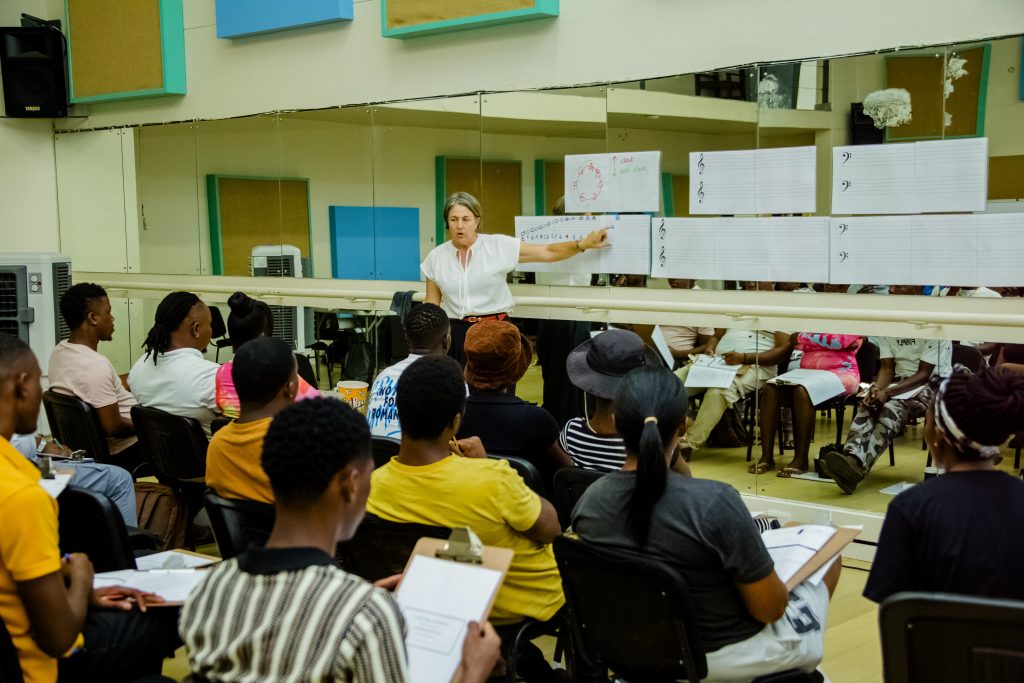
JA: I was exhausted after my (2 x 90-minute) theory workshops. My goal was to simplify some of the basic elements of music with specific reference to music notation (pitch and value), tempo, dynamics and a super quick introduction to harmony and form. I was able to enjoy the aah-moments when I could see the satisfaction of a student understanding a previously unknown concept. Music theory is like mathematics, you want to build forth on foundation blocks. The timeframe of the workshop and availability of the facilitators did not allow a systematic acquiring of information.
How can we make choral music more appealing to young people today?
JA: Music can form relationships outside our cultural upbringing. By striving towards the same goals, we can leave our differences aside and collaborate towards the most unique interpretation that the group has to offer. Is it not this common goal and teamwork that our society lacks?
Looking at the current momentum in the Namibian choral sector, where do you see it in the next five to ten years, and what must stakeholders do now to secure that future?
JA: Namibian choral music is rich in traditional heritage. The peaceful and gentle approach of traditional choral music is appealing to the audience. Namibian composers should be rewarded and accredited for their contributions. Financial support is vital to prepare choirs for the stage outside the Namibian borders. The development of choral singing at school level, is essential to the future of Namibian Choral Culture.
With so much talent, passion on display, this year’s competition is set to be a highlight on Namibia’s performing arts calendar.
Don’t miss out, get your tickets now at webtickets and experience Namibia’s music like never before.
About Jolanda Amoraal:
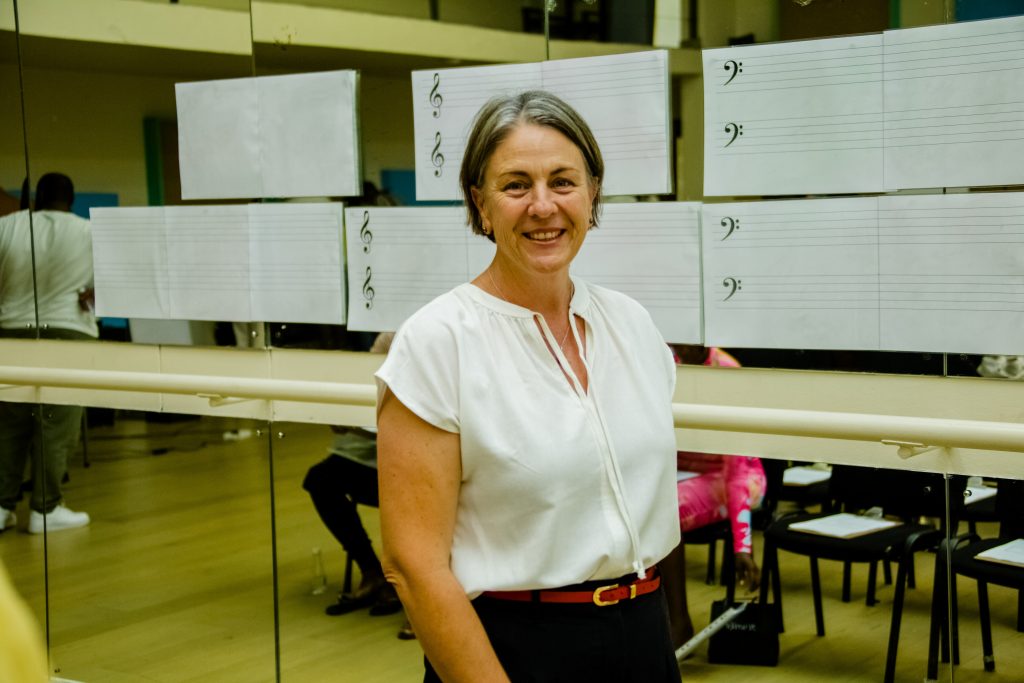
Jolanda Amoraal obtained her B.Mus (Performers) and Hons.B.Mus degrees cum laude at the University of Stellenbosch, South Africa. She has been a school chorister since grade 1, was part of the National Youth Choir and member of the Stellenbosch University Choir.
Ms. Amoraal attended Choral Confidential Workshops with Andre van der Merwe and more recently the National Conductors Convention in 2023 in Cape Town. She has been involved with chamber choirs all through her career. Her two St George’s school choirs have achieved GOLD at the ATKV applous Regionals since 2011.