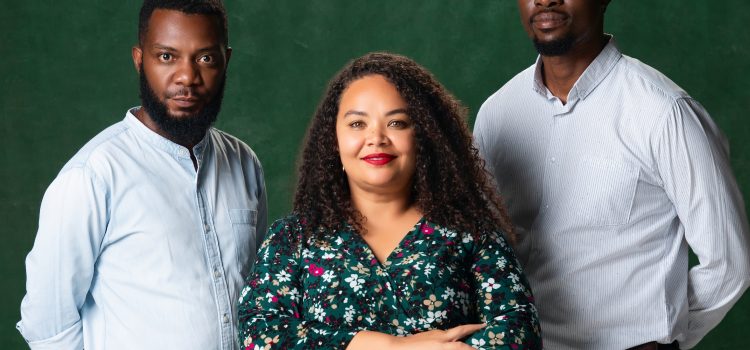
The Quiet Weight Our Children Carry
By Berny Chirua (Director Bang Bang)
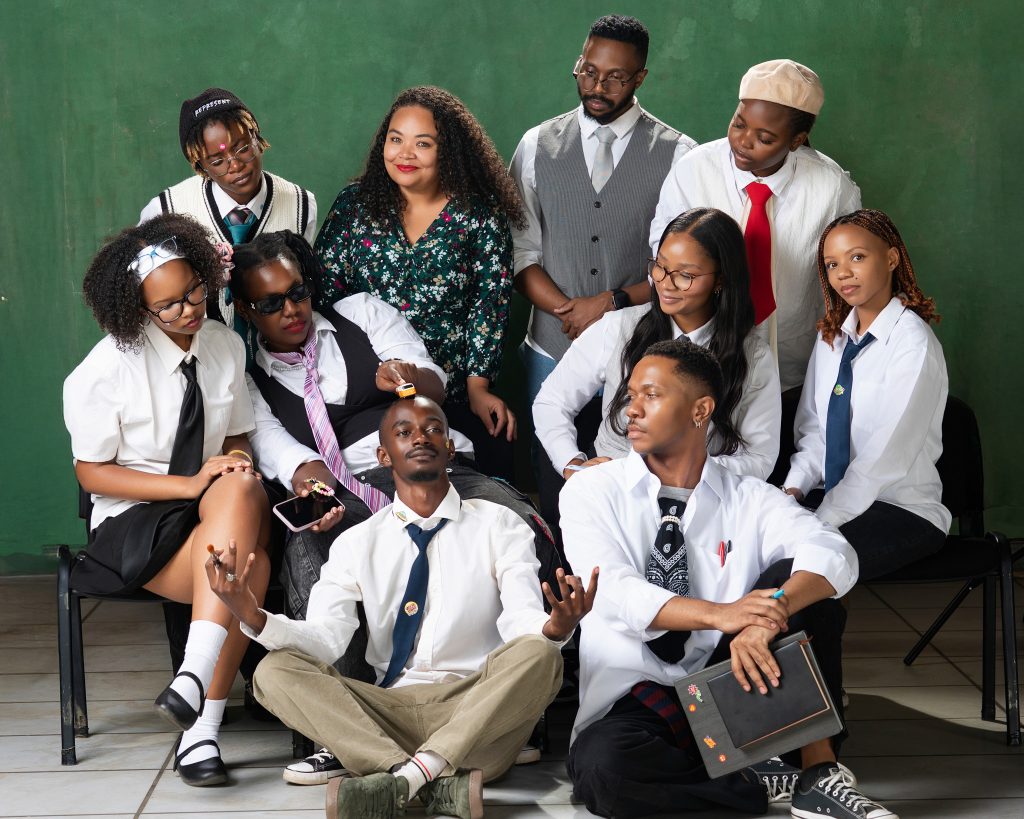
Working in educational theatre across Namibia has taught me that
stories often reveal truths that communities struggle to say aloud. When we place a story on stage, it becomes a mirror. Sometimes that mirror reflects things we would rather not see: the emotional lives of our children, the expectations placed upon them, and the silence that often surrounds their struggles.
Much of the conversation in society focuses on the challenges facing the boy child. Boys are often raised with a clear message about what strength should look like. Strength is defined through toughness, control, and the ability to endure pain without showing vulnerability. Yet very few spaces exist where boys are allowed to speak openly about fear, confusion, anger, or loneliness. Many boys grow up carrying emotions they were never taught how to process.
But if we look carefully at our communities today, we must also acknowledge another reality. Increasingly, we are witnessing the girl child expressing anger and violence in ways that were once rarely spoken about. Girls too are responding to the pressures of the environments they grow up in, communities affected by conflict, instability, economic hardship, and emotional disconnection within families.
Children do not grow in isolation. They absorb the tensions, frustrations, and fears that exist around them. When young people begin to express violence, whether through words, behaviour, or relationships, it is often a signal that something deeper is happening in their emotional world. This can appear as aggression or withdrawal, emotional violence, or physical confrontation. Both are signs that many young people are struggling to navigate the expectations placed upon them.
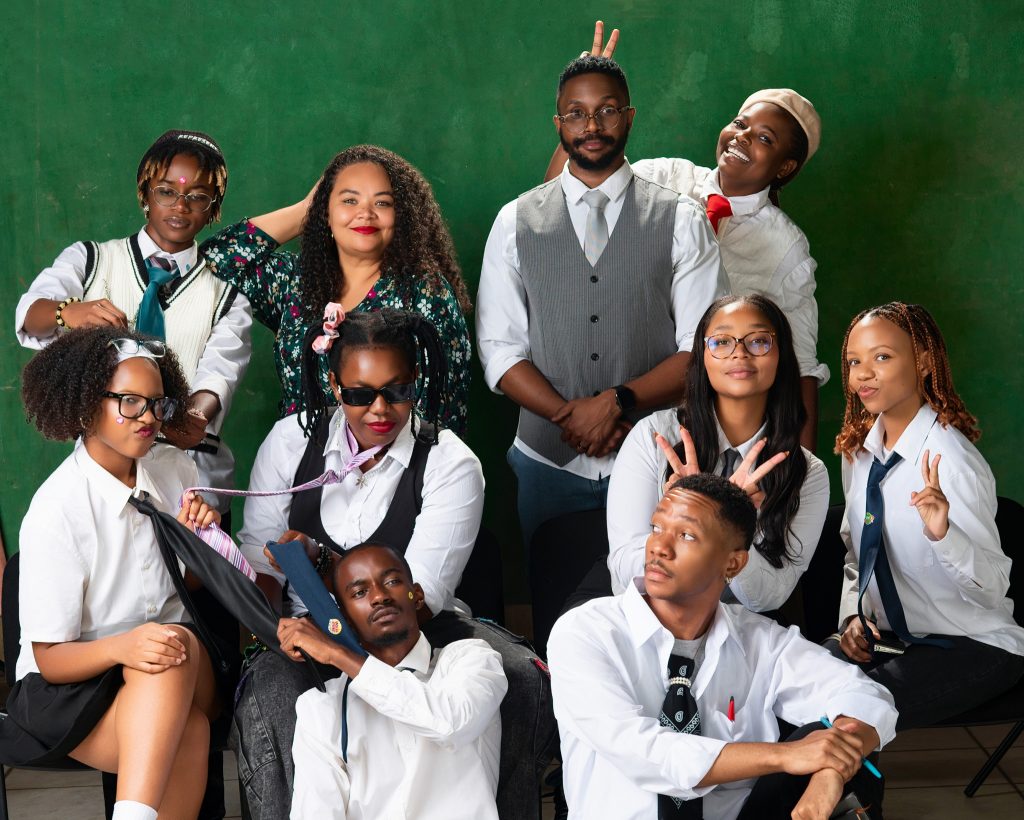
In communities across Southern Africa, children also grow up surrounded by powerful histories of liberation, survival, and resistance. These histories are important and must be honoured. However, when young people hear only stories of strength expressed through conflict, they may internalise a limited understanding of what courage and leadership truly mean. If courage is always connected to confrontation, where do we teach children that courage can also mean compassion? If strength is always about dominance, where do we show them that strength can also mean care, patience, and responsibility?
What becomes clear through my work is that many young people are navigating deep emotional contradictions. This is why Joshua Chirau and I developed the Kilonova Curriculum. It is a competence-based modular capacity framework designed to provide the tools that are so often missing. By using educational theatre to develop critical thinking, resilience, focus, memory, emotional intelligence, creative development, and organisation, we move beyond just acting and start building actual capacity.
In many households, parents and caregivers carry immense pressure just to survive daily life. When those connections weaken, children search for belonging elsewhere in environments that may reinforce anger rather than understanding. Too often, society reacts only after something serious has happened. We discipline. We punish. But rarely do we ask earlier questions: Are we listening closely enough? Are we modelling the behaviours we want them to learn?
As an educator and theatre practitioner, I believe storytelling gives us a powerful way to explore these questions. Theatre allows communities to witness themselves and recognise patterns. But through the Kilonova Curriculum, we take it a step further. We are currently working to integrate this framework into the Namibian English as a Second Language (ESL) syllabus, ensuring that language learning becomes a path toward empathy and self-regulation.
If we want to see less violence, we must begin much earlier not only with discipline, but with guidance and attention. We must teach our children that heroism does not lie in dominating others, but in protecting life and choosing compassion.
Because the quiet weight our children carry is not simply about their behaviour, it is about their need for the tools to navigate a harsh world with a resilient heart.
About the Director:
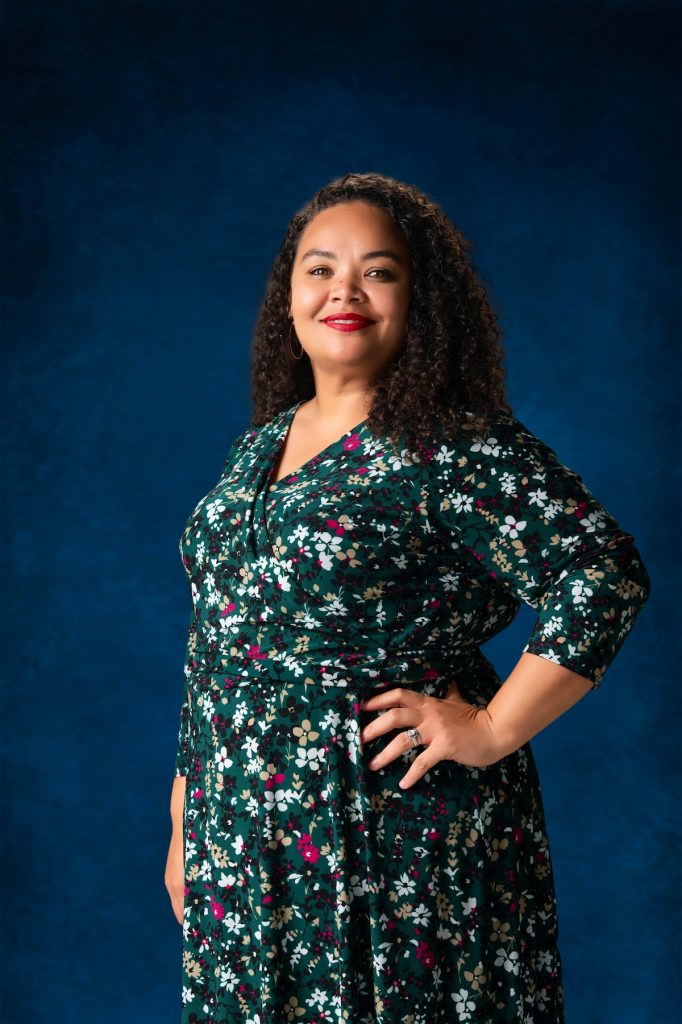
Veronique Kuchekana-Chirau professionally known as Berny Chirau is a Namibian educational theatre practitioner, director, performer, and cultural storyteller with over eighteen years of experience. Trained at Tshwane University of Technology, her work blends African narratives, oral tradition, and community performance. Through productions, festivals, and youth training, she advances theatre for education, cultural memory, and dialogue.