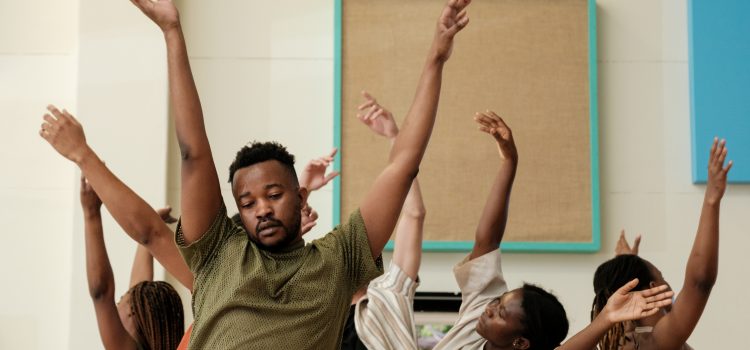
Inside LAND – Walking the Ground We Dance On (Part 2 of 3)
Gift Uzera & Shashitwako Muteka, Cast Members (Performers in LAND)
LAND – A dance work reclaiming space, memory, and the right to stay.
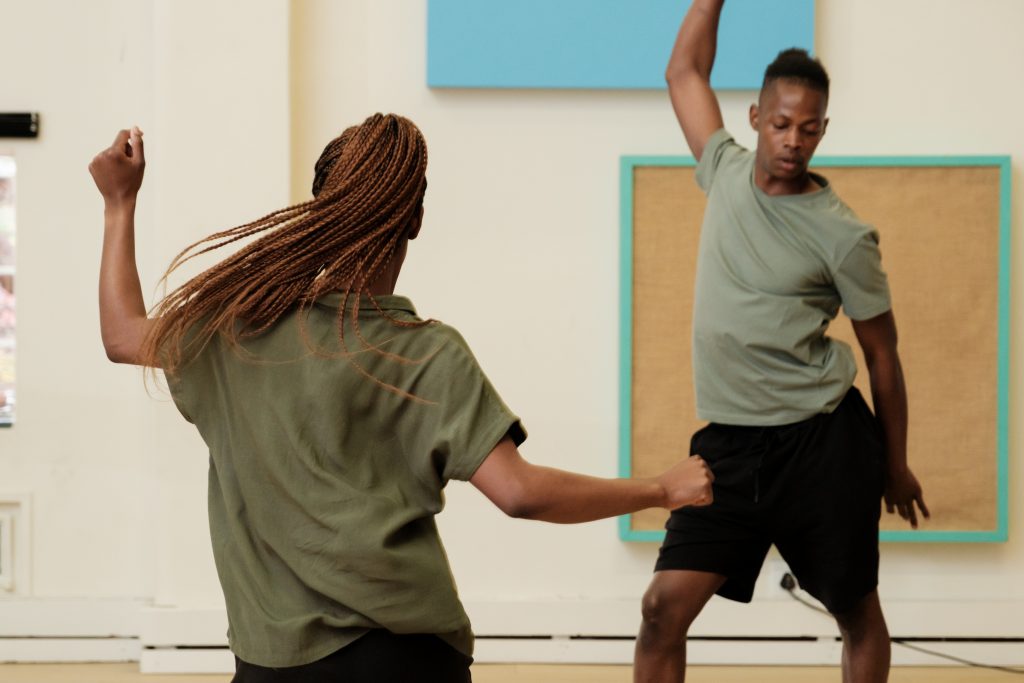
In Part 1, our choreographer Haymich Olivier described how ‘LAND’ began, not just as a performance, but as a way of reclaiming space, memory, and the right to stay. As dancers, we have taken that journey into our bodies, but also into the streets of Windhoek, where the scars of land dispossession remain etched into the city itself.
Our process started with walking literally. We took a field trip to Katutura, retracing the painful path from the Old Location to the township that was never meant to be a home. Under apartheid, Black Namibians were forcibly removed from the Old Location, a vibrant community, and relocated to Katutura. The very name, in Otjiherero, means “the place where we do not want to live.” That name still holds true.
Katutura feels crowded, dense, and alive, but shaped by constraint. Families were squeezed into small plots with minimal infrastructure. Then you cross into the centre of Windhoek or the suburbs, and the difference is stark: wide streets, green spaces, silence…These differences are not just about design; they are the physical legacy of exclusion.
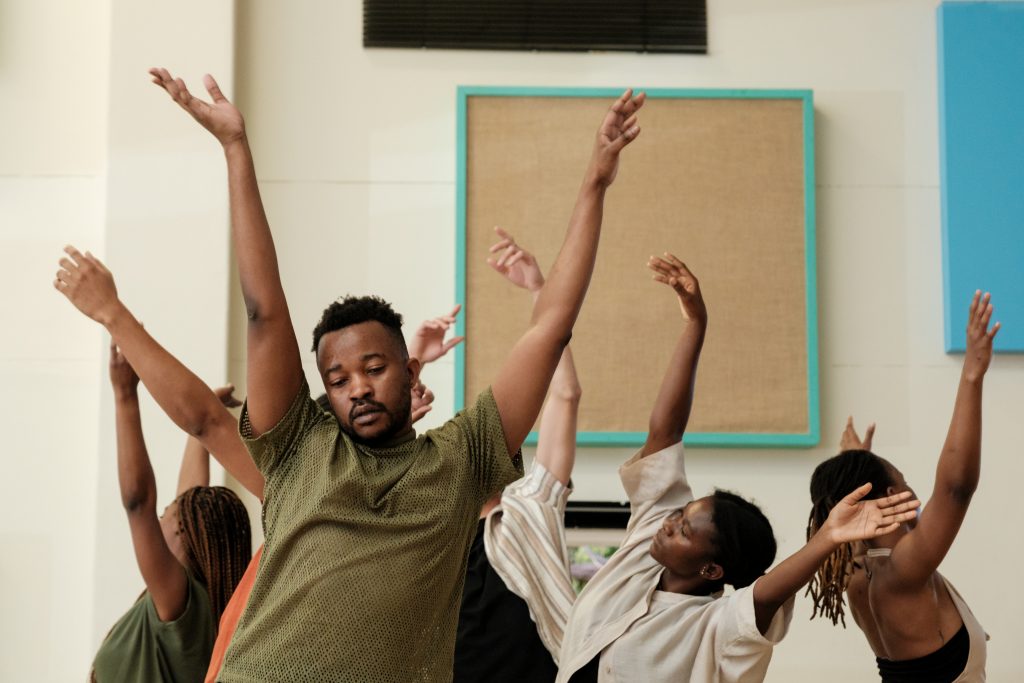
Namibia is vast. And yet, land remains in the hands of a few. Most of our parents and grandparents still rent. We’ve inherited not just the trauma of dispossession, but the ongoing reality of landlessness. That contradiction, so much land, so little access, is what breathes through every movement in this piece.
In the rehearsal space, we found ourselves carrying that weight. Our backs tightened, our feet dragged invisible burdens, and our breath grew heavy with stories we’ve heard since childhood, stories of forced removals, of lost homes, of survival. But there was also resilience. Rehearsals became a ritual of remembering and resisting.
Dance is not just movement here; it is a form of remembrance – Gift Uzera
We weren’t just telling history. We were living it again and again, in our muscles, in our breath, in our silences.
Alongside these embodied stories, there are also deeper questions about how colonial systems fractured us. Shafa put it powerfully when she said:
They erased architectural genius, split families into ‘tribes,’ and turned kinship into division. – Shashitwako Muteka
That legacy still shapes the present. Many of the laws and systems we live under were never designed for us, and yet they still decide who has access, who belongs, and who is seen. That’s why this work matters. It is not about nostalgia. It is about survival.
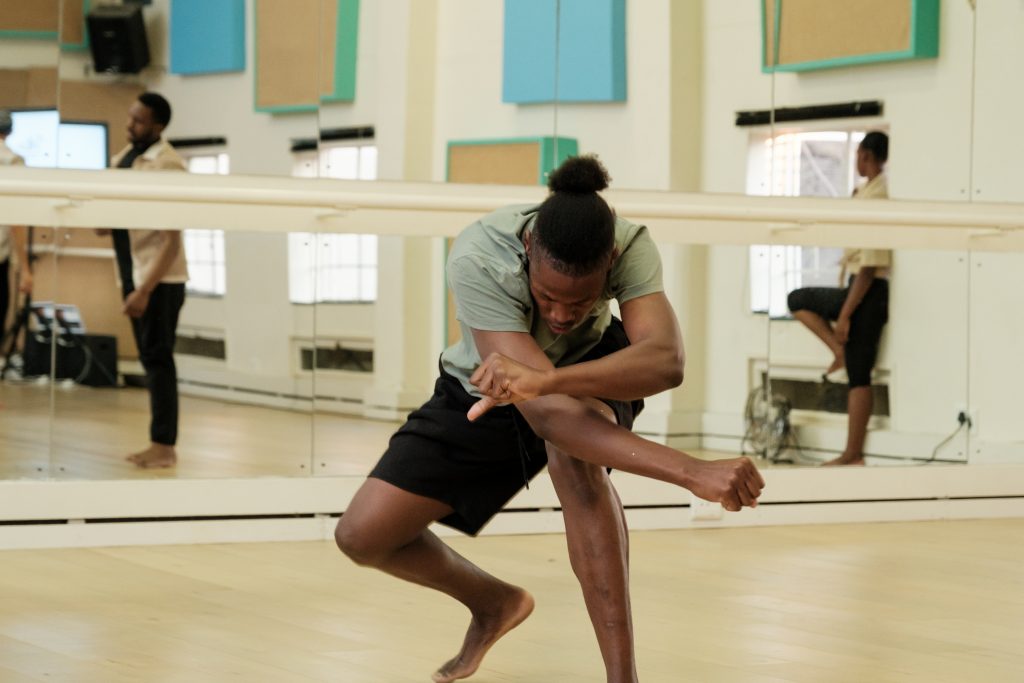
LAND is a return. A confrontation. A reclamation. It asks us and our audiences to remember not just what was taken, but what remains: memory, dignity, and the right to belong.
This is the ground we dance on.
This is LAND.
LAND is presented under the NTN’s main program.
For more information, visit www.ntn.org.na
Stay tuned for the final blog in this series, where we’ll share how the performance comes to life from the choreography and scenography to the sounds and stories that bring LAND to the stage.